


Buscar conteúdo!
Links úteis

 Código Fipe: 812002-1
 Lançamento: 1994 - 2002



 Código Fipe: 812002-1Lançamento: 1994 - 2002

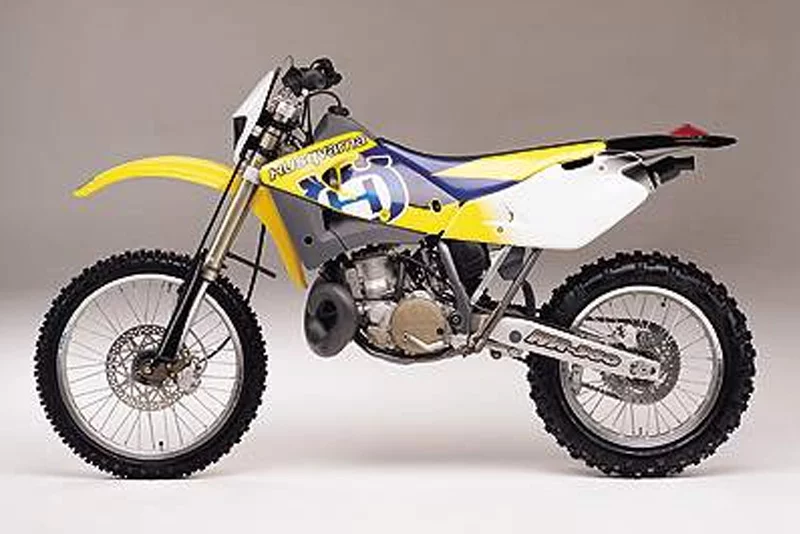
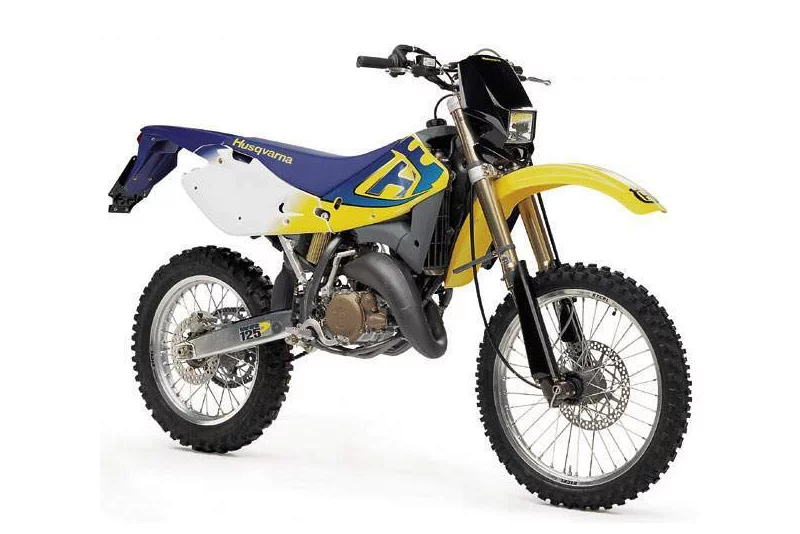
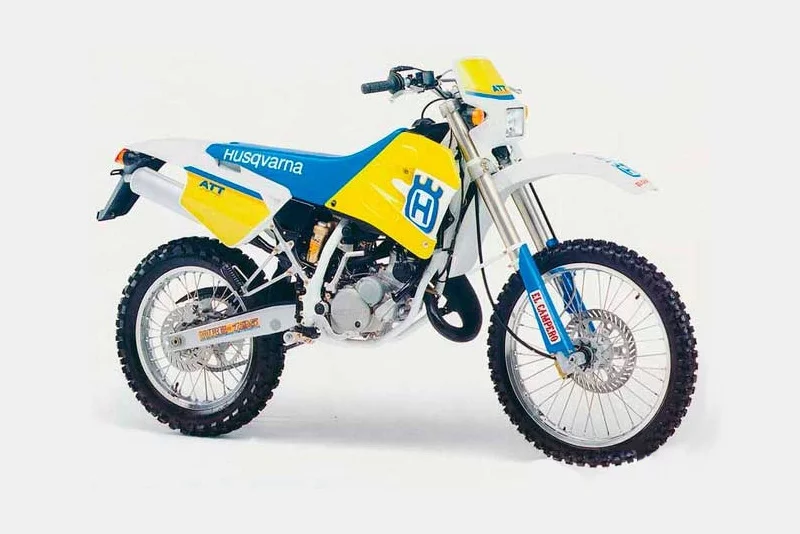
The HUSQVARNA WR 360 stands as a testament to the Swedish manufacturer's off-road prowess, representing one of the most capable enduro motorcycles of its era. Designed for the serious off-road enthusiast and competitive rider, this powerful dirt weapon combines raw power with surprising agility. The WR 360 targets experienced riders who demand uncompromising performance in challenging terrain, from dense forests to rocky mountain trails and competitive enduro events.
As a thoroughbred enduro machine, the HUSQVARNA WR 360 falls firmly in the trail/off-road category. Its design philosophy emphasizes function over form, with a slim, aggressive profile that showcases its competition DNA. The minimalist bodywork features HUSQVARNA's distinctive white, blue and yellow color scheme, creating an iconic look that stands out on any trail. First introduced in the 1990s, the WR 360 quickly gained recognition as a serious contender in enduro competitions worldwide, including challenging events like the International Six Days Enduro (ISDE). Its high ground clearance, narrow profile, and purpose-built geometry reflect its singular focus on conquering the toughest off-road challenges.
At the heart of the WR 360 lies a formidable single-cylinder, two-stroke engine displacing 360cc. This powerplant is renowned for its explosive power delivery, generating approximately 55-60 horsepower depending on tuning and year model. The liquid-cooled engine features a case reed intake system and an exhaust power valve that helps broaden the powerband, though the WR 360 still delivers its power in the characteristic two-stroke manner – with an exhilarating rush once it hits its sweet spot. The raw, visceral power makes it a favorite among experienced riders who appreciate the direct connection between throttle input and rear wheel response. Its five or six-speed transmission (depending on the model year) offers close-ratio gearing optimized for technical terrain, allowing riders to find the perfect gear for any situation, from crawling over obstacles to blasting down fire roads. The two-stroke engine also offers the advantage of being lighter and mechanically simpler than comparable four-strokes, making field repairs more feasible during extended backcountry rides.
The chromoly steel frame of the WR 360 strikes an impressive balance between rigidity and flex, allowing the bike to track through rough terrain while maintaining stability. The suspension system represents some of the best components of its era, featuring fully adjustable WP or Öhlins units with generous travel (typically 300mm front and rear) to absorb massive impacts while maintaining control. The open-cartridge forks deliver progressive damping characteristics that prevent bottoming out on big hits while remaining plush enough for small-bump sensitivity. At the rear, a progressive linkage system connects to a fully adjustable shock, allowing for precise tuning to match rider weight and terrain conditions. Braking duties are handled by hydraulic disc brakes front and rear, providing excellent stopping power even in muddy conditions. The lightweight wheels (typically 21-inch front and 18-inch rear) are wrapped in aggressive knobby tires, designed to find traction in the most challenging conditions. The bike's relatively light weight (approximately 110 kg dry) contributes to its remarkable maneuverability in technical terrain.
The HUSQVARNA WR 360 has a fascinating heritage that adds to its mystique. The model gained legendary status after winning numerous championships in the hands of riders like Jacky Martens. What many motorcycle enthusiasts might not know is that during the period when the WR 360 was in production, HUSQVARNA underwent several ownership changes, including periods under Cagiva and later BMW, before eventually being acquired by KTM. Despite these corporate shifts, the WR 360 maintained its distinctly Swedish design philosophy. Another interesting feature is the model's quick-access airbox design, allowing riders to clean or replace air filters without tools – a crucial advantage during dusty races. The WR 360 also featured an innovative hydraulic clutch system that maintained consistent feel even during extended use under extreme conditions. Perhaps most impressive about the WR 360 is its enduring appeal among collectors and vintage enduro enthusiasts, with well-preserved examples commanding premium prices on the secondary market. Its combination of raw two-stroke power, capable suspension, and purpose-built design continues to make it a benchmark against which modern enduro machines are measured, despite advances in four-stroke technology.


